Utilizing Electricity for Bountiful Gardens
Utilizing Electricity for Bountiful Gardens
Blog Article
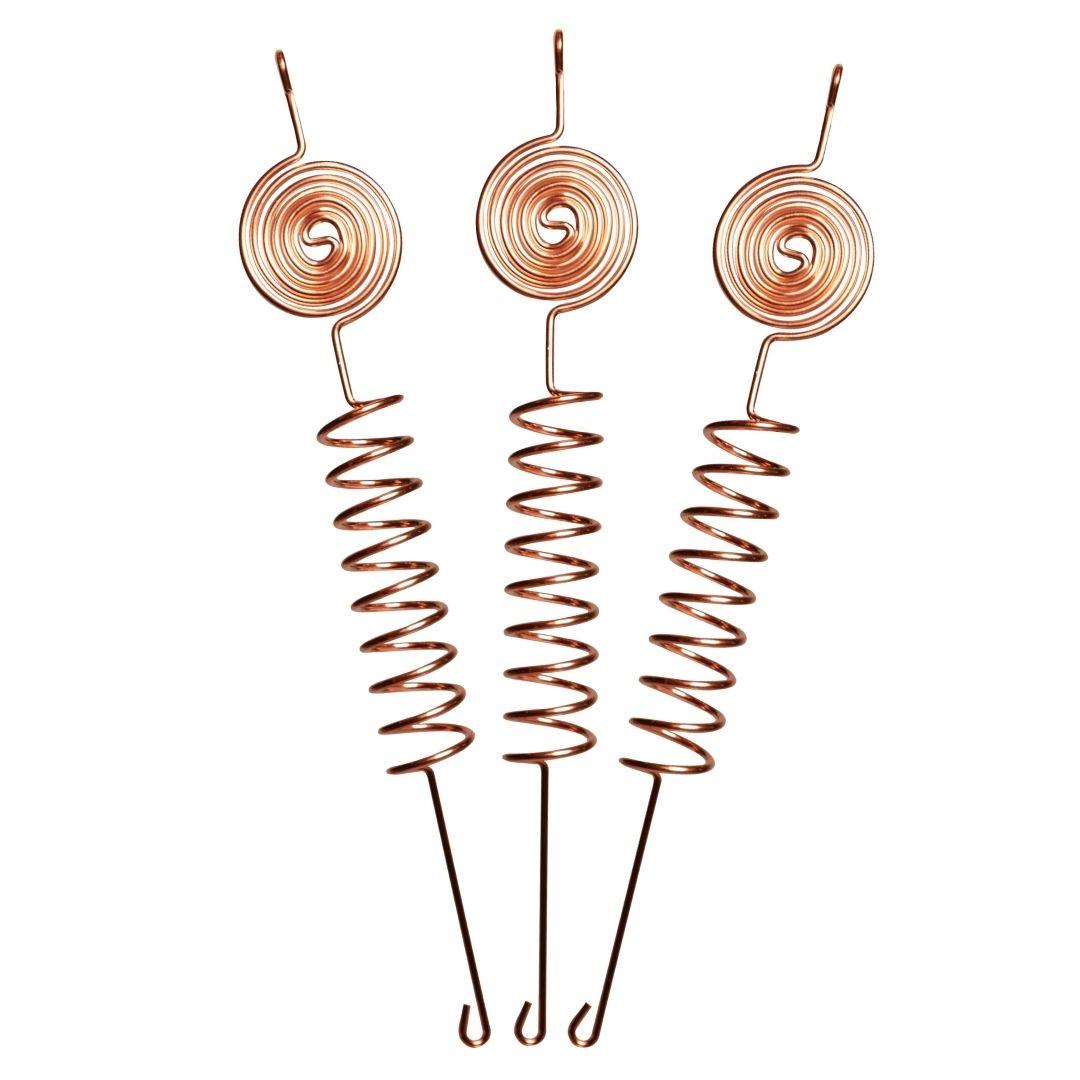
Electroculture, an unusual method , suggests that plants can benefit when exposed to low-voltage electric fields . Advocates of electroculture contend that this subtle boost enhances mineral assimilation, resulting to accelerated development and potentially larger harvests . While rigorous validation has been scarce , dedicated experimenters report impressive gains in their home patches , inspiring additional study of this alternative system to agriculture and food production .
Getting Started to Electrical Gardening
Wanting to learn a new gardening technique ? Electro-culture gardening is harnessing electrical energies to improve plant yield. This sounds complex , but the core principles are surprisingly straightforward to grasp . Typically, it features creating some grid of copper wire around your plants , sometimes connected to a small energy source. While rigorous proof exists limited, many gardeners experience significant improvements in crop health and harvest. Let’s briefly cover the basics in upcoming sections.
Is Bio-Electrical Agriculture Actually Function? Separating Truth and Fiction
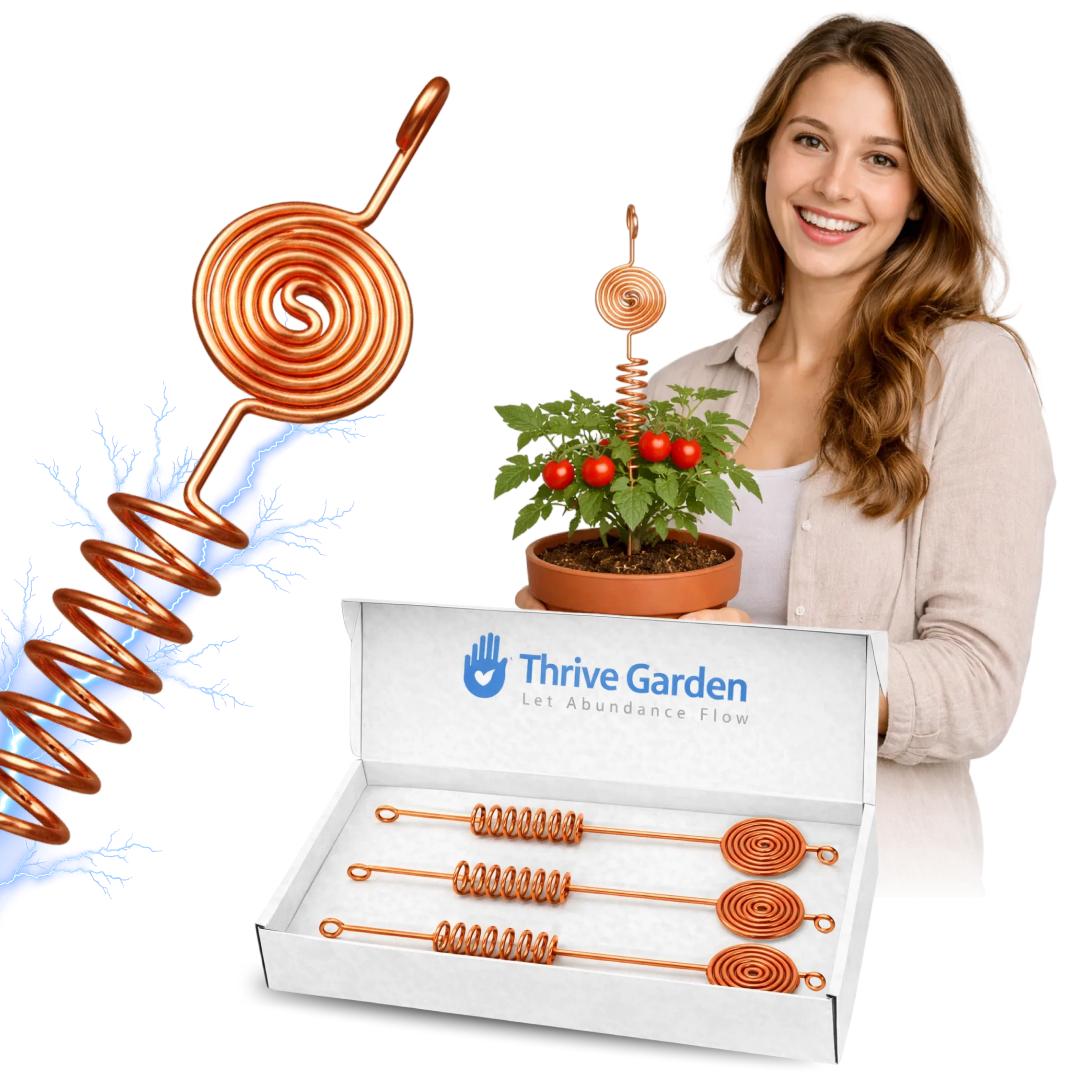
Electroculture, an approach employing low-voltage electricity to boost crop development, ignited significant attention online. However, it's crucial to closely assess the assertions and distinguish genuine observations versus questionable promotion. Despite several early trials seem to show better harvests, the objective grounding stays primarily obscure. Many allegedly achievements may be attributed to hidden influences, including the earth, water management, or basic coincidence. Better investigation and peer-reviewed confirmation are essential to confirm if electroculture involves a dependable agricultural technique.
Creating Your Own Electrical Garden: A Practical Guide
Embarking into the unusual world of electroculture can appear daunting, but building your own electroculture garden is surprisingly achievable with a few basic steps. First, obtain your materials: a vessel, copper wire , zinc plate , water, and a electrical charge – a small battery or self-made cell can suffice. Then , position the copper and zinc encircling the water in the container, ensuring they do not touch. The energetic field emitted between these metals is considered to promote plant growth . Finally, watch your plants and fine-tune the system as required – electroculture is as much concerning experimentation as it is concerning following instructions .
Electrical Gardening vs. Conventional Horticulture : What is The Distinction?
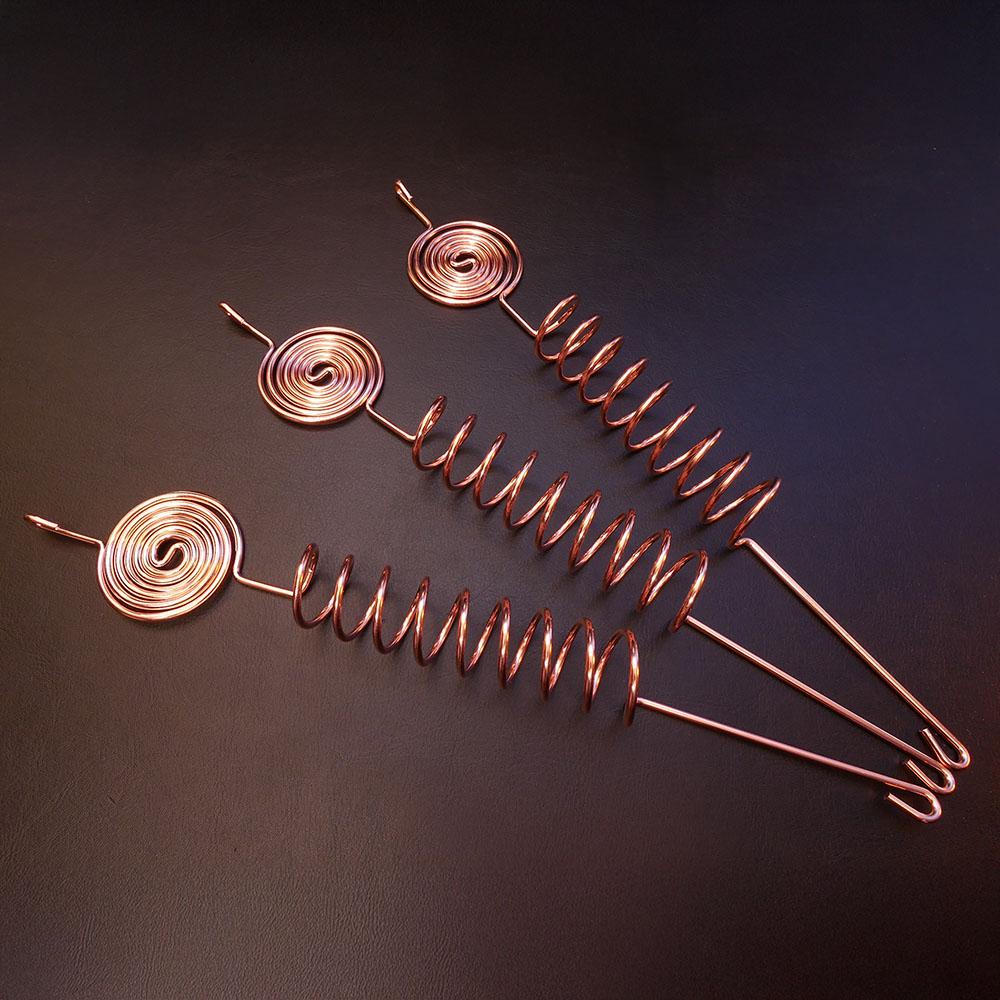
Numerous cultivators are considering bio-electrical farming as an alternative to conventional gardening . While both pursue to grow thriving vegetation, they utilize drastically distinct approaches . Traditional cultivation depends on earth elements, sunlight , and hydration, often with supplemental fertilizers . In difference, bio-electrical farming utilizes a low bio-electrical to stimulate vegetation growth , potentially lessening the dependence on soil and standard nutrients . Ultimately , electrical gardening signifies a relatively emerging field in cultivation possessing unique potential .
Boosting Plant Growth with Electroculture: Potential & Practicalities
Electroculture, a controversial technique indicating plant flourishing through electrical charges, has ignited considerable interest amongst growers. Historical accounts asserted significant enhancements in yield and overall plant robustness. While the exact mechanism stays uncertain , some hypotheses direct to greater water uptake and nutrient access within the soil . Practical uses can extend from basic DIY setups using copper and zinc conductors to more sophisticated configurations. However, it’s vital to consider electroculture with consideration, acknowledging the limited peer-reviewed scientific proof and electroculture gardening potential hazards associated with faulty implementation. Further study is required to completely grasp the chance and drawbacks of this fascinating approach to cultivation.
- Potential benefits include increased yield and improved plant health.
- Consider the need for further research and scientific validation.
- Practical applications range from simple DIY systems to complex configurations.